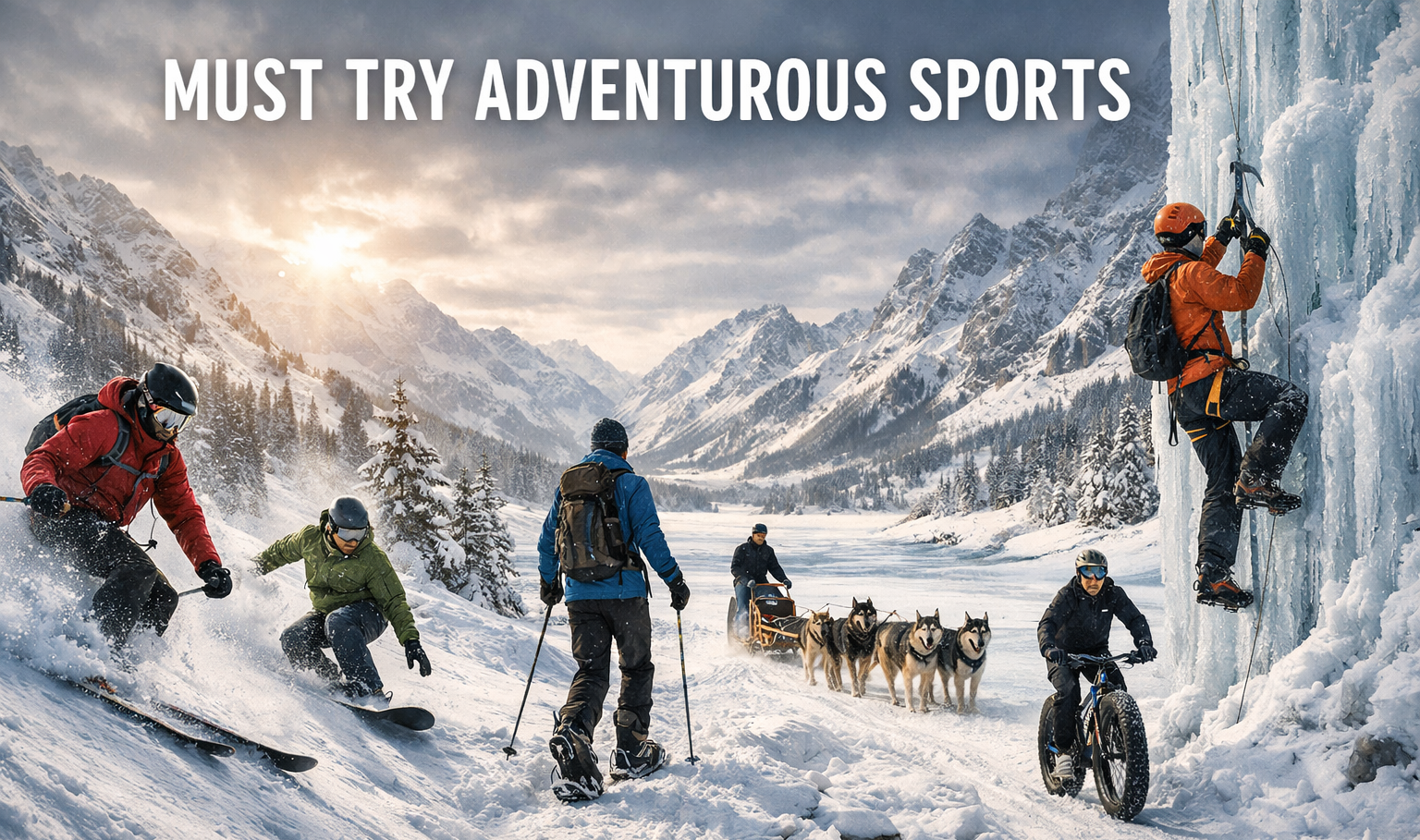
Winter has a way of stripping things down. The noise fades, crowds thin out, and suddenly effort feels more honest. That’s probably why more travellers are leaning toward adventure sports during winter instead of waiting for summer comfort. Cold makes you aware—of your breath, your steps, and your limits.
There’s also something grounding about winter travel. You plan more carefully. You carry only what you need. Every decision feels deliberate. In 2026, this shift is clear. People aren’t just chasing scenic photos anymore. They want experiences that feel earned.
Winter doesn’t promise ease. It promises intensity. And for many, that’s exactly the appeal.
Why Winter Is the Best Season for Adventure Sports
Winter forces participation. You can’t half-commit when temperatures drop and terrain turns unpredictable. That’s why adventure sports feel more real in this season. If you show up unprepared, winter makes that obvious very quickly.
Another thing people underestimate is focus. In cold environments, distractions fall away. You’re not multitasking. You’re present. That presence changes how physical effort feels. Movements become intentional rather than rushed.
To be fair, winter isn’t for everyone. But for those who enjoy structure, challenge, and quieter environments, it often becomes their preferred season for outdoor activity.
Top Winter Adventure Sports to Experience in 2026
Skiing: The Classic That Never Gets Old
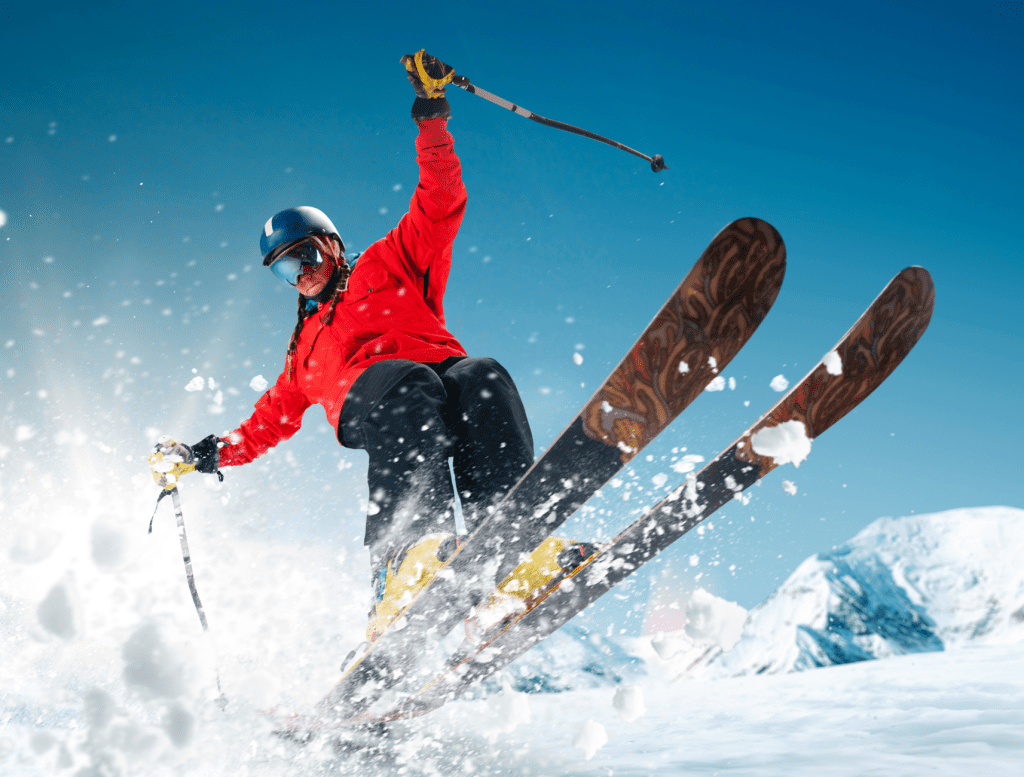
Skiing remains popular because it balances learning and reward. Early attempts can be awkward. Falls happen. Muscles ache in places you didn’t expect. But improvement feels noticeable, sometimes even within a single day.
Among winter adventure sports, skiing works for a wide range of people. Some are content staying on beginner slopes, repeating the same runs. Others push toward steeper terrain year after year. Both experiences hold value.
What keeps people returning isn’t just speed. It’s the rhythm. The pause at the top. The quiet before descent. That sense of controlled movement stays satisfying, no matter how long you’ve been skiing.
Snowboarding: Less Polished, More Personal
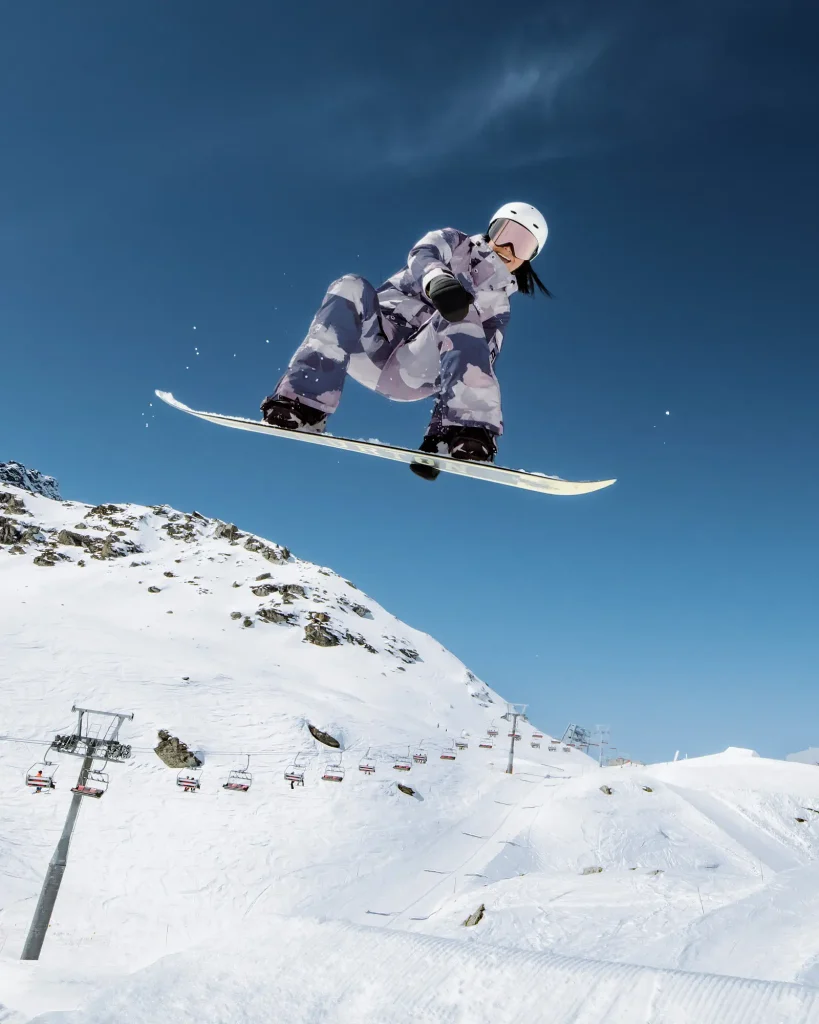
Snowboarding doesn’t pretend to be graceful at first. Learning involves falling—often, repeatedly. And honestly, that initial phase discourages some people.
But once balance improves, snowboarding becomes expressive. There’s more freedom in movement, more personal style involved. Riders begin choosing lines instead of following rules.
Within winter adventure sports, snowboarding attracts those comfortable with trial and error. It rewards persistence rather than precision. That’s why many snowboarders stay loyal once they push past the early frustration.
Snowshoeing: Quiet, Underrated, and Surprisingly Tough
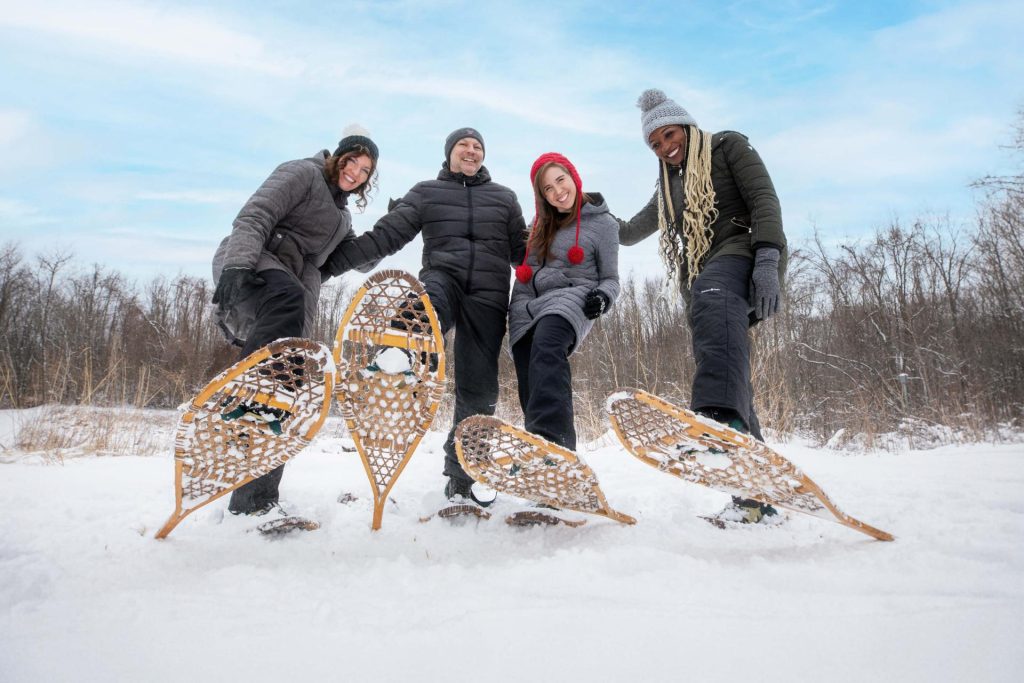
Snowshoeing rarely gets attention, which is part of its charm. At a glance, it looks simple. Just walking. But walking through deep snow changes how the body works.
Legs tire faster. Breathing becomes heavier. Pace slows whether you want it to or not. That slowdown forces awareness.
Among winter adventure sports, snowshoeing appeals to people who value solitude. There’s no audience. No rush. Just consistent effort and quiet surroundings. It’s tougher than it looks, and that surprises many first-timers.
Dog Sledding: Old-School Adventure That Still Works
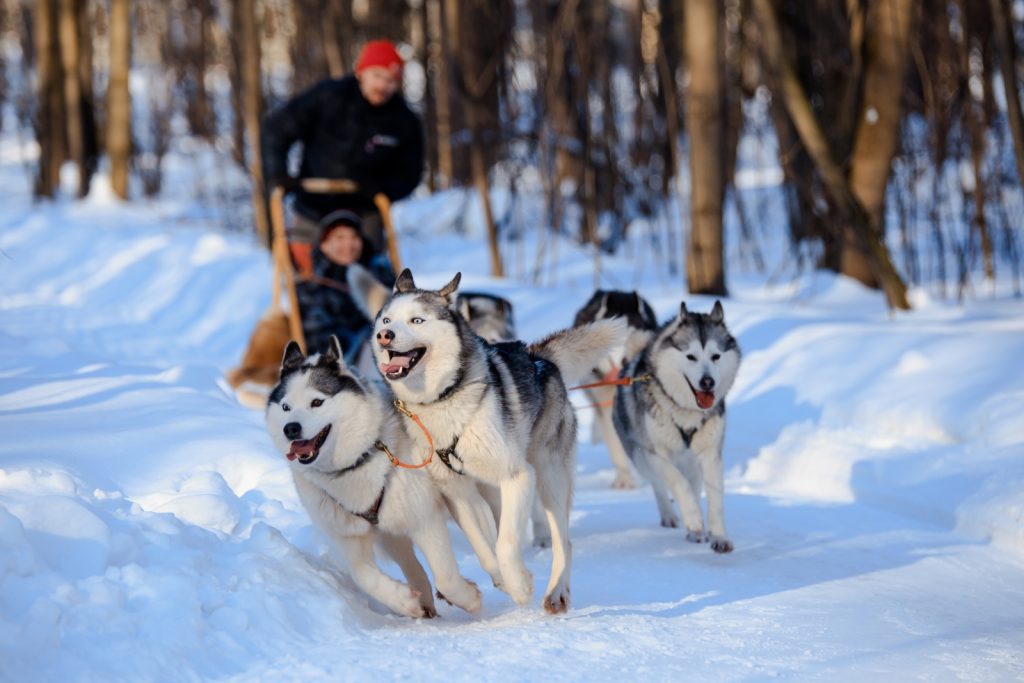
Dog sledding doesn’t feel modern, and that’s exactly why it works. There’s a steady rhythm to it—dogs pulling in unison, snow sliding beneath runners.
You’re not dominating the experience. You’re part of it. Trust matters here—between guide, dogs, and environment. That connection feels rare in modern travel.
Within winter adventure sports, dog sledding offers movement without urgency. It leaves people reflective rather than exhausted. For many, that quiet impact lasts longer than the ride itself.
Ice Climbing: Not for Everyone, and That’s the Point
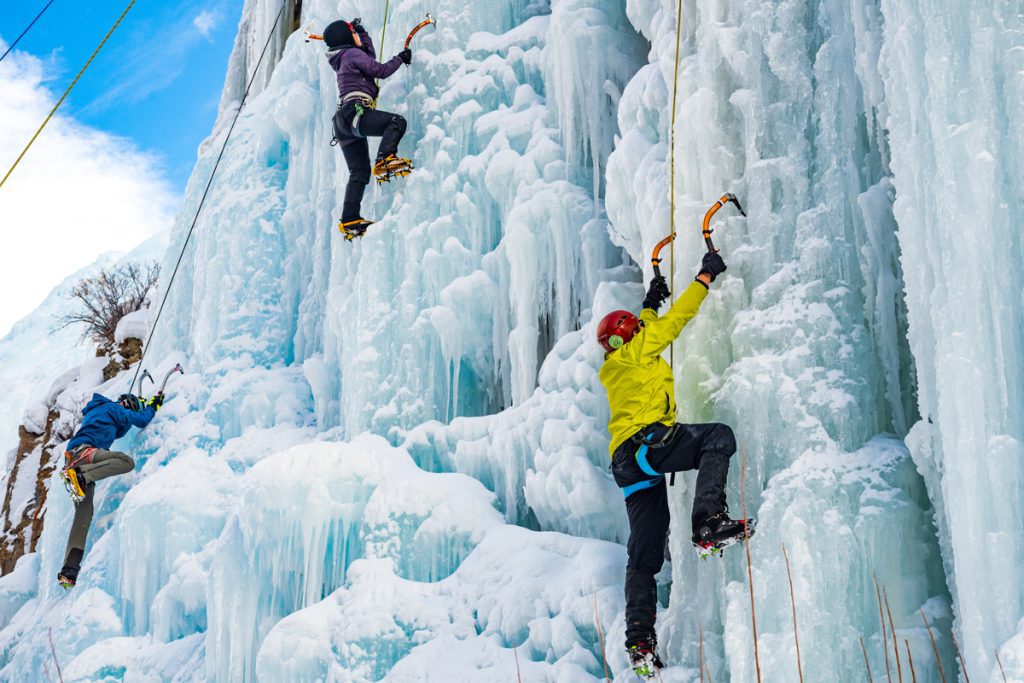
Ice climbing demands attention. There’s no autopilot. Every movement requires intention, and hesitation can feel amplified.
Grip strength helps, but calm decision-making matters more. The cold sharpens both fear and focus.
This is one of those adventure sports people choose deliberately. It’s not casual. And honestly, it’s not meant to be. Those who try it often remember their first climb vividly—the uncertainty, the pause before the next move, the relief at the top.
Winter Paragliding: Cold Air, Clear Views
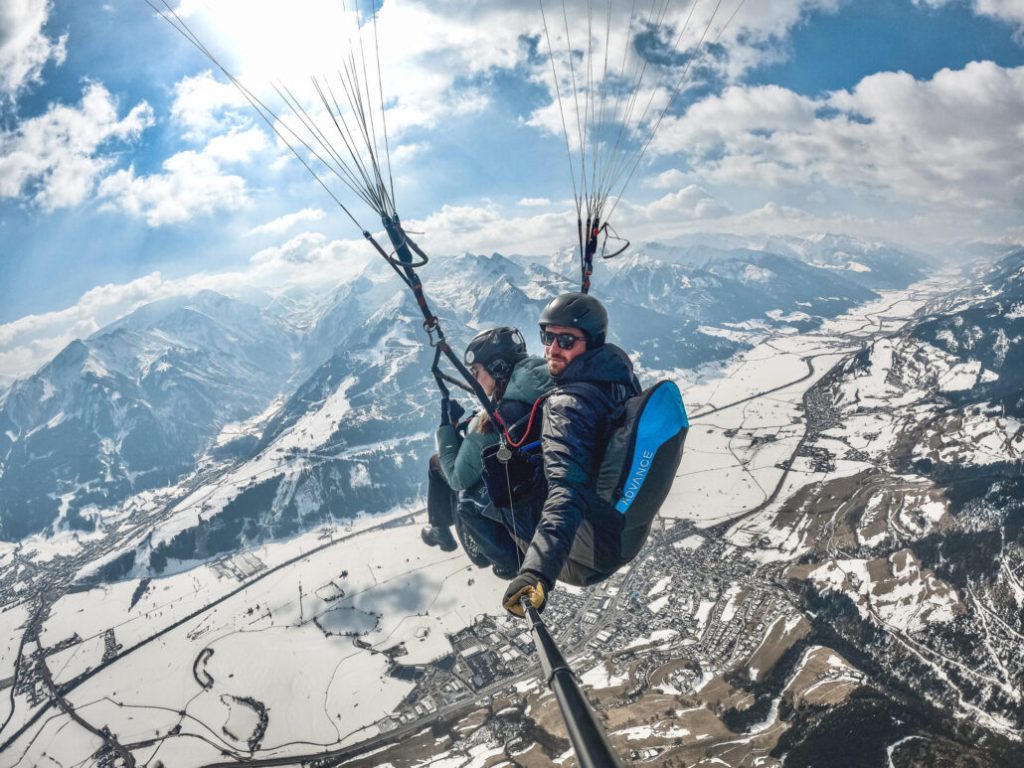
Paragliding in winter changes the experience entirely. Air feels denser. Visibility improves. Landscapes look sharper, almost unreal.
Conditions can be more stable, but also less forgiving. That’s why winter paragliding suits experienced flyers rather than beginners.
Among aerial adventure sports, it’s subtle. Not dramatic in the usual sense. The appeal lies in stillness—the long glide, the quiet altitude, the sense of separation from the ground below.
Fat Biking: Simple Idea, Serious Effort
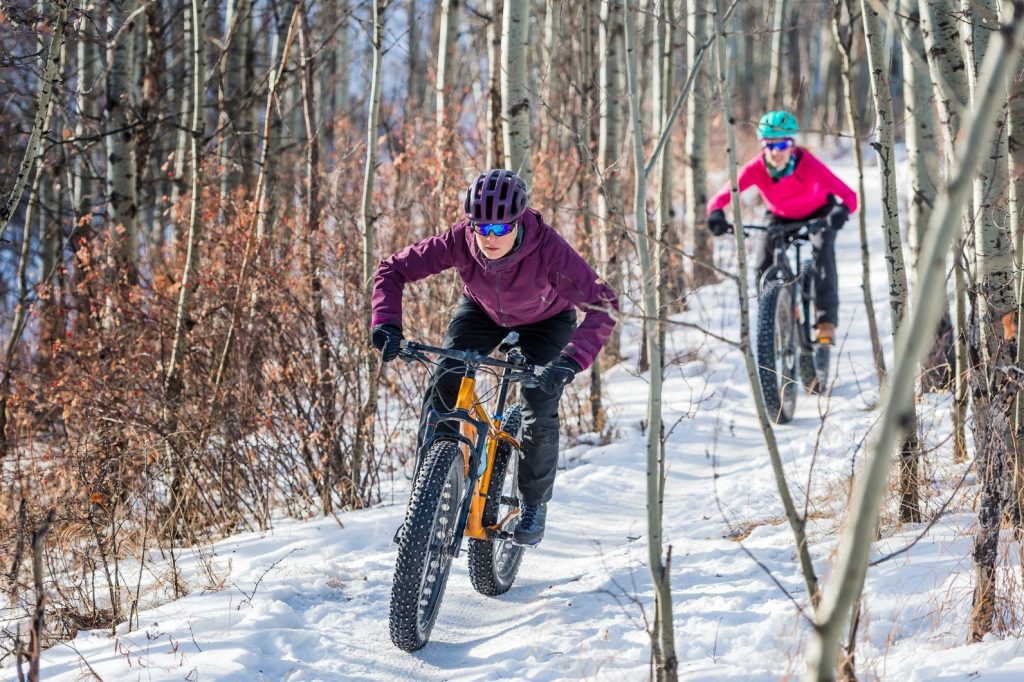
Fat biking looks playful until effort sets in. Wide tires move slowly through snow, demanding balance and steady power.
There’s no coasting. Every stretch requires work. Legs burn sooner than expected, and momentum feels precious.
In winter adventure sports, fat biking stands out because it transforms something familiar into something demanding. No new skills, just more resistance. That simplicity is exactly what makes it challenging.
How to Choose the Right Winter Adventure Sport
Choosing among adventure sports in winter comes down to honesty. What kind of discomfort can you tolerate? Cold fingers? Slow pace? Heights? Solitude?
Some people thrive on speed. Others prefer endurance. Some want silence. Others need constant motion. Winter amplifies these preferences.
Preparation matters more than enthusiasm. Proper gear, realistic expectations, and guidance often decide whether an experience feels rewarding or overwhelming. Winter doesn’t forgive careless planning.
Final Thoughts
Winter doesn’t exaggerate adventure—it clarifies it. Comfort fades. Intention remains.
The adventure sports you choose in 2026 don’t need to impress anyone else. They just need to challenge you enough to stay remembered. Sometimes the trips that feel hardest in the moment become the ones you think about most later.
And honestly, that’s usually the point.
If you enjoyed❤️ reading about these Winter honeymoon places, you might also like exploring some of our other travel stories, where we go deeper into offbeat destinations, slow travel experiences, and places that don’t always make it to the usual tourist lists. You can check out our related travel articles👉 here and continue discovering places that feel a little different, a little special, and definitely worth your time.
References & Sources
The information in this article about winter adventure experiences — from skiing and snowboarding to snowshoeing and dog sledding — reflects what travel experts, tourism guides, and outdoor adventure resources describe as popular and enduring winter activities. You can explore these resources for more detailed insights, seasonal recommendations, and real traveller tips:
Winter Sports & Adventure Guides
- Times of India: Winter Sports & Activities — Covers popular winter pursuits like skiing and snowboarding across India and offers tips for adventure lovers. The Times of India
- Moneycontrol: Best Winter Adventures in India — Lists thrilling winter sports available in India and where to experience them. Moneycontrol
Specific Sport Information
- Snowshoeing & Ice Climbing Destinations — Popular winter activities like snowshoeing and ice climbing are highlighted as top adventures in destinations like Yosemite and Colorado. The Discoverer
- Winter Adventure Activities Category Lists — Defines snowshoeing, skiing, snowboarding, dog sledding, and other cold-weather activities in a broader adventure tourism context. MBTA
Dog Sledding & Arctic Experiences
- Times of India Winter Adventures Around the World — Includes dog sledding in regions such as Lapland and other winter adventure examples across continents. The Times of India
- Mountain House – Winter Sports Overview — Provides context on dogsledding and related snowy adventures in wilderness settings. Mountain House


