A complete and human-written guide to sustainable tourism India. Discover ecofriendly destinations, responsible stays, green travel tips, and how to support ethical tourism practices across India in 2025.
Introduction
The idea of travel has changed. It is no longer just about visiting popular places or ticking destinations off a list. Travelers today want meaning, connection, and responsibility. They want experiences that do not harm nature, do not exploit local communities, and do not leave behind waste.
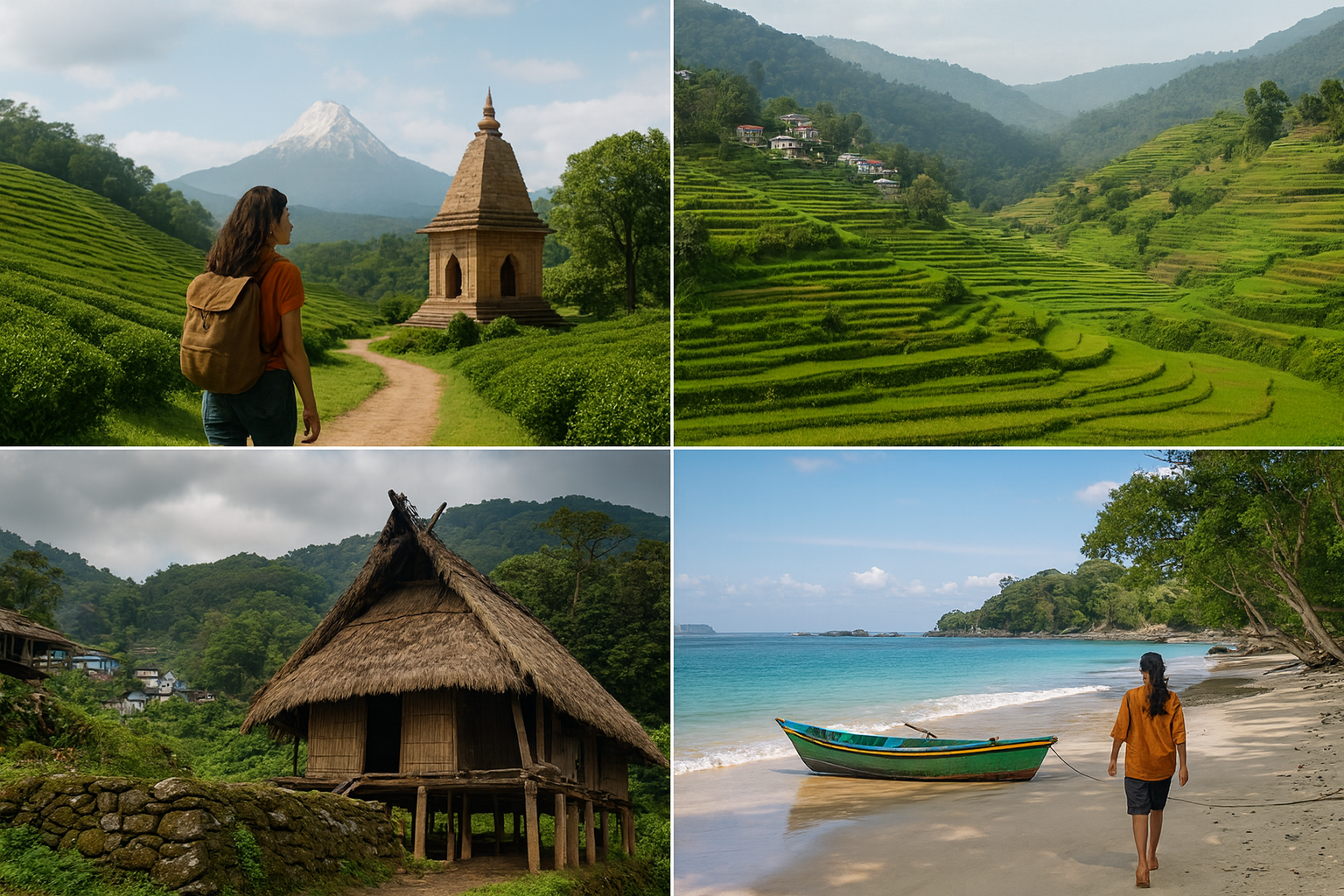
India, with its landscapes ranging from mountains and beaches to forests and wetlands, has slowly transformed into a hub for sustainable travel. Many destinations are now adopting ecofriendly practices—community-run homestays, plastic-free zones, organic farms, slow travel experiences, and conservation-focused tourism.
This blog explores India’s most promising and responsible destinations for 2025. Each destination is explained not only for its beauty but also for the deeper purpose it serves: protecting ecosystems, empowering local communities, and ensuring that travel remains meaningful for future generations.
The tone is deliberately human, reflective, and descriptive—written as a traveler would speak, not as a machine would generate.
1. Spiti Valley, Himachal Pradesh
Where mountains teach silence and communities teach sustainable tourism
Spiti is one of the most dramatic landscapes in India, yet it remains one of the most environmentally conscious. The valley practices slow tourism almost naturally. Life here moves slowly, resources are limited, and people value what they have. This cultural simplicity is what makes Spiti a natural candidate for sustainable travel.
Why it is sustainable tourism
• Many villages run entirely on solar energy.
• Homestays are community-owned, meaning tourism directly supports locals.
• Plastic use is discouraged; many towns have refill stations for water.
• Local food is grown without chemicals and cooked traditionally.

Travel Experience
When you stay in a Spiti homestay, you sit on the floor to eat simple food—roti, dal, vegetables cooked on wood fire. Nights are cold and quiet. Electricity may fluctuate. These are not inconveniences; they are part of the experience. Spiti forces you to slow down, observe, and exist without constant noise.
Best Time to Visit
June to September.
2. Mawlynnong, Meghalaya
Asia’s cleanest village and India’s green travel icon
Mawlynnong is often described as a community that did not wait for the government to address issues. The villagers themselves created a system where cleanliness and sustainable tourism are shared responsibilities.
Why it is sustainable
• Plastic is banned.
• Bamboo dustbins line every pathway.
• Waste is segregated and composted.
• Homestays are simple but built from bamboo and local materials.
• The community maintains living root bridges, one of India’s rare ecological heritage structures.

Travel Experience
The village feels like walking through a garden. Every home has flowers outside. Roads are spotless. People smile at strangers. Children play near bamboo huts. And everywhere, you see nature being respected rather than exploited.
Best Time
September to April.
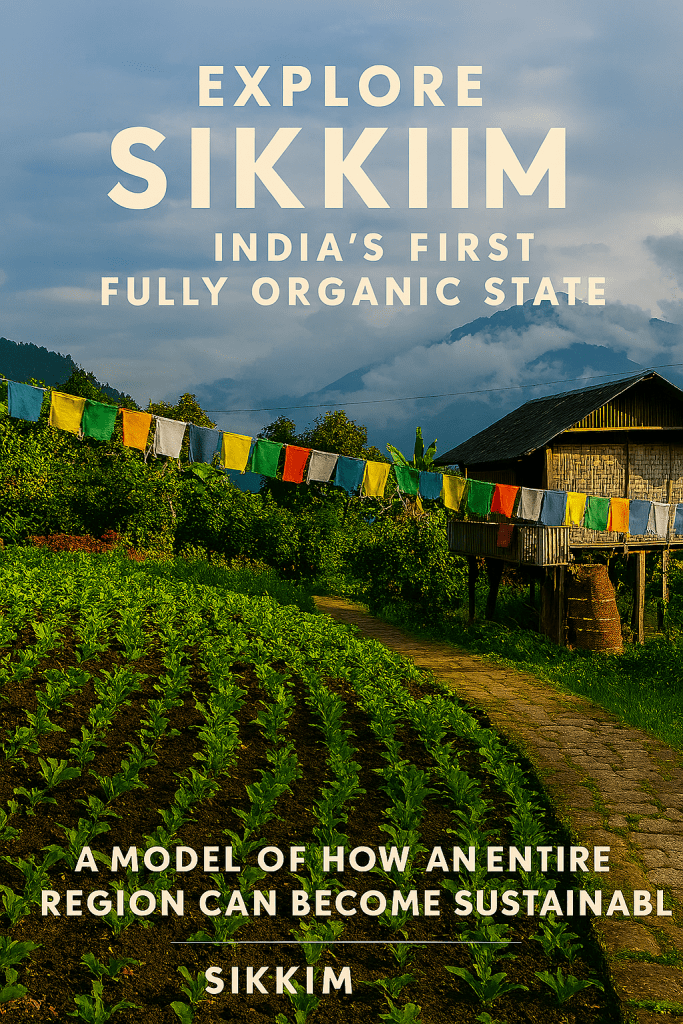
3. Sikkim – India’s First Fully Organic State
A model of how an entire region can become sustainable
Sikkim is not just a scenic state; it is one of India’s strongest examples of sustainable tourism in action. It became the country’s first fully organic state, where chemical fertilizers and pesticides are banned, and tourism is carefully regulated to protect its fragile mountain ecosystems.
Why it is sustainable
• Organic farming practices across the state.
• Ban on plastic bags and single-use plastic.
• Strict control of tourism in areas like Gurudongmar Lake and Yumthang Valley.
• Eco-friendly homestays in rural areas.
• Emphasis on preserving forests, monasteries, and wetlands.
Travel Experience
Sikkim offers an aesthetic mix of nature and spirituality. Monasteries echo with chants. Cardamom fields stretch across hills. Roads wind past valleys where clouds move like slow waves. Every corner feels calm, clean, and intentional.
Best Time
March to June, and September to December.
4. Coorg, Karnataka
A green escape where coffee plantations, forest conservation, and local communities come together through sustainable tourism.
Coorg has become popular for weekend trips, but beyond resorts, the region has several slow-travel, ecofriendly experiences.
Why it is sustainable
• Many coffee plantations run eco-stays where visitors learn about farming.
• Forest conservation rules are strict.
• Wildlife corridors are protected.
• Homestays reduce dependence on commercial hotels.
• Local food is farm-grown.
Travel Experience
A stay in Coorg usually means waking up to the smell of fresh coffee and rain. Mist covers hills in the morning. Plantations stretch endlessly. The atmosphere is peaceful, and the pace is gentle.
Best Time
October to March.
5. Khonoma, Nagaland
India’s first green village, built on courage and community
Khonoma’s story is unusual and deeply inspiring. Once known for hunting, the village chose a new path through sustainable tourism, banning hunting entirely and protecting its forests as conservation zones.
Why it is sustainable
• Zero hunting policy.
• Village-managed forest reserves.
• Community-owned tourism.
• Traditional Angami architecture uses local materials.
Travel Experience
Khonoma feels like a living museum of culture and environment. You see terraced fields, stone pathways, clean courtyards, and forests protected by villagers. Nature and people live in balance, something rare in modern travel.
Best Time
October to April.
6. Auroville, Tamil Nadu
An experimental township built on conscious living
Auroville is often misunderstood. It is not a tourist spot but a living experiment in sustainable tourism lifestyles and global community living.
Why it is sustainable
• Solar kitchens and energy-efficient houses.
• Reforestation of barren land into lush forests.
• Bicycle and walking culture.
• Organic farming and eco-shops.
• Emphasis on quiet, mindful living.
Travel Experience
Auroville feels like a retreat from noise. Roads are lined with trees. Cafés serve organic food. Workshops on pottery, meditation, music, and sustainability happen regularly. The Matrimandir stands at the center, a symbol of stillness.
Best Time
November to March.
7. Andaman’s Havelock – Low-impact beach travel
Beaches that ask for respect, not crowding
Over the years, Havelock Island has grown more eco-aware, adopting sustainable tourism practices that focus on preservation rather than profit. Plastic bans, coral-protection guidelines, and controlled diving ensure the island’s beauty remains untouched for future visitors.
Why it is sustainable
• Plastic ban across beaches.
• Controlled snorkeling and diving.
• Coral restoration programs.
• Eco-stays built with bamboo and natural materials.
Travel Experience
Water is turquoise. Sand is soft. Sunsets feel untouched. The silence of this island stays with you long after you leave.
Best Time
October to May.
Ecofriendly Stays in India
Some responsible accommodation options:
• Rustic River Retreats (Assam)
• Himalayan Ecovillages (Himachal)
• Prakriti Farms (Punjab)
• Auroville guesthouses
• Bamboo huts in Meghalaya villages
• Plantation homestays in Coorg
Sustainable Transportation Tips
• Prefer trains over flights when possible.
• Use shared cabs or local transport instead of private vehicles.
• Walk, cycle, or use e-rickshaws when available.
• Avoid renting polluting bikes in mountain areas.
How to Travel Responsibly
• Carry a steel bottle. Refilling reduces plastic waste.
• Support local homestays and guides instead of commercial resorts.
• Eat local food; it reduces carbon footprint.
• Avoid disturbing wildlife.
• Do not play loud music in natural areas.
Sustainable travel is not about doing everything perfectly. It is about making conscious choices.
Budget Guide
Eco friendly travel is not always expensive.
Daily budget range:
• Homestay: ₹600–₹1500
• Food: ₹200–₹500
• Transport: ₹150–₹400
• Activities: ₹100–₹300
Conclusion
Ecofriendly travel is not a passing trend; it is a responsibility rooted in sustainable tourism. India, with its forests, mountains, islands, and rich cultural diversity, is fragile by nature. Tourism has the power to uplift local communities and protect ecosystems—but when handled carelessly, it can damage both beyond repair.
These destinations prove that sustainable tourism is lived and practiced by real communities, not just discussed in theory. When travelers support these efforts, the experience naturally becomes more meaningful and long-lasting.
The landscapes stay cleaner. The cultures stay alive. And the journey stays honest.
References
Local community-led conservation groups
Ministry of Tourism – Sustainable Travel Report
Incredible India – Eco Tourism Guidelines
State Tourism Boards (Sikkim, Meghalaya, Nagaland)