Traveling India on a budget is not just possible—it’s a journey of uncovering that often feels great than expensive travel. When you step out of fancy resorts and curated tour packages, you meet the real India: the chai seller who tells you stories, the hostel traveller who becomes a friend, the quiet village that surprises you more than a postcard destination ever could.
This guide is built on real experience—not theory. If you follow even half of these tips, your trip across India will be affordable, meaningful, and absolutely memorable.
Start With Smart Planning (This Alone Cuts Half Your Budget Travel in India)
Most travellers think budget travelling is about cheap hotels and bus rides. It’s not. It begins much earlier -with timing, location, and pace.
Choose the Right Season – India has extreme seasonal price changes.
- Peak Season: December–January, May–June (everything is costlier)
- Budget-friendly Season: February–April, August–October
If you go during off-peak periods, there is a benefit of cutting down your budget:
- Trains and flights are easier to book
- Attractions are less crowded
- Hotels drop prices
- Food and taxis become reasonably priced
- The smartest travel hack: avoid long weekends and festival weeks. The same ₹800 hostel bed becomes ₹2000 those days.
Plan Fewer Destinations, Stay Longer
This single rule can save you more money than any other budget hack out there.
Many travellers make the mistake of rushing through 5 cities in just 7 days. It sounds exciting, but it quietly drains your wallet. Constant bus tickets, train fares, taxis, flights—these transport costs add up faster than you realise.
Instead, slow down.
Pick just 2–3 destinations and give each place 3–4 days of your time. When you travel slowly, you don’t just save money—you actually experience the destination. You get the rhythm of the local markets, the hidden food spots, the neighbourhood shortcuts, and conversations with locals you’d otherwise miss. Slow travel means fewer transport expenses, more meaningful memories, and a trip that feels richer-not rushed.
Master the Art of Local Transport (India’s Most Beautiful Chaos)
If you truly want to understand India, step into its public transport. It’s not just a way to move from one place to another—it’s a living, breathing experience. It’s the sound of vendors calling out “chai-chai,” the rush of people hopping onto a moving bus, the smell of fresh samosas at a railway station, and the quiet dignity of travellers who’ve perfected the art of making long journeys feel effortless.
Public transport in India is affordable, colorful, loud, friendly, slightly chaotic at times—and yet, surprisingly efficient. It feels like the country showing you its true, unfiltered face.
Indian Railways
This is the heart and backbone of budget travel in India.
If you don’t experience an Indian train journey, you haven’t experienced Indian travel.
- Sleeper Class:
This is where India’s true rhythm lives. You’ll find families sharing food, students returning home for holidays, backpackers swapping stories, and vendors selling everything from cutlets to chai. It’s the cheapest way to move long distances and offers a lively, warm environment. - 3AC:
Perfect middle ground—affordable, clean, comfortable. Air-conditioned coaches with decent privacy. Safe for solo travellers and ideal for long overnight journeys.
Always book early on IRCTC, because ticket prices can jump quickly and sleeper seats fill up faster than you expect. Here’s the best hack seasoned travellers use: Take night trains whenever possible. Not only do you save daylight for exploration, but you also save the cost of one night’s stay. It’s like moving cities while sleeping.
State Buses: India has a vast network of state-run buses, and each state has its own character.
- HRTC (Himachal Pradesh):
Hands-down the safest option for mountain travel. Their drivers handle steep curves and narrow valleys like they’re navigating flat highways. - KSRTC (Karnataka & Kerala):
Clean, punctual, reliable. A favourite among travellers who want comfort without overspending. - MSRTC (Maharashtra):
Wide network, even reaching villages you won’t find on Maps. - Night buses are gold for budget travellers.
- You sleep, you travel, you save hotel money—it’s efficient and smart.
City Travel Options
India’s major cities now have some of the cheapest and cleanest public transport systems.
- Delhi Metro / Bengaluru Metro: Air-conditioned trains, clear announcements, smooth rides, and no traffic. These metros can take you from one end of the city to the other for less than the price of a coffee.
- Shared Autos & E-rickshaws: These are everywhere. Short rides for ₹10–₹40, and you get a mini adventure every single time.
- Local Ferries: Cities like Mumbai and Kochi have ferry systems that are not only affordable but scenic.
3. Stays That Feel Rich Even When They’re Cheap
India has figured out how to offer comfort at low prices without compromising on warmth. If you know where to look, budget stays can feel richer than resorts.
Hostels (₹300–₹800/night)
Backpackers across the world swear by Indian hostels. They are more than just beds—they’re micro-communities. You meet people from every continent, share stories over rooftop dinners, split cab fares, join group treks, and often end up making friends for life.
Popular names include:
- Zostel
- The Hosteller
- Moustache
- GoStops
Guesthouses & Homestays
In smaller towns and rural areas, a family-run guesthouse is the closest thing to a home away from home. You get:
• A clean room
• Simple, delicious home-cooked food
• Local tips you’ll never find online
• Prices that fit almost any budget
What to Avoid : Not all budget stays are equal. To stay safe and comfortable:
- Avoid hotels in the heart of touristy areas (they’re overpriced and noisy).
- Beware of “cheap luxury rooms” with fake photos.
- Don’t book places with no reviews or sketchy feedback.
Always check 5–6 recent reviews on Booking.com or Google Maps. Not old ones—recent ones.
Eat Like a Local (Trust Me—Your Wallet & Stomach Will Thank You)
If there’s one thing India excels at, it’s offering incredible food at unbelievable prices. India’s food scene is made for budget travellers—diverse, flavorful, affordable, and deeply rooted in culture.
Street Food (₹100–₹180) Street food isn’t “cheap food”—it’s India in its purest form
- Delhi’s steaming momos
- Mumbai’s legendary vada pav
- Hyderabad’s melt-in-mouth idlis
- Kolkata’s flaky kathi rolls
- Indore’s poha-jalebi
- Chennai’s hot filter coffee
Each region has its own specialties, stories, and aromas. The key is picking stalls that:
• Have a crowd
• Cook fresh
• Use clean utensils
• Look busy—busy = fresher food
Local Dhabas – You get Dhabas are the comfort food stops of India’s highways.
- Big portions
- Homely taste
- Freshly prepared meals
- Prices between ₹120–₹200
Thalis (Full Meals) – One of the best hacks in budget travel India is the thali.
- Gujarati thali with unlimited servings
- Rajasthani thali loaded with ghee and flavour
- South Indian vegetarian thali served on banana leaves
- Maharashtrian thali with spicy curries and rice
Most thalis are wholesome, well-balanced meals that keep you full for hours—all for ₹200–₹250. If you avoid tourist restaurants and stick to local favorites, you’ll cut 60% of your food budget instantly while eating fresher, better food.
Best Budget-Friendly Destinations + Experiences That Define Real India
If you’re truly trying to master budget travel India, start with places that naturally fit your wallet—destinations where culture is free, food is cheap, transport is simple, and experiences feel richer than luxury trips.
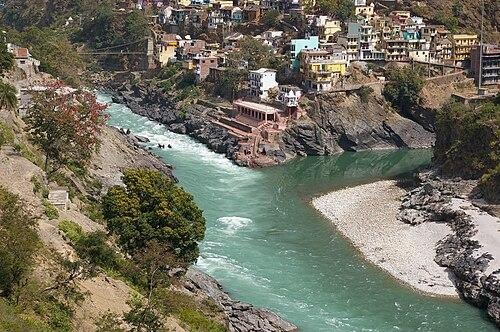
Rishikesh is the perfect example. Yoga by the Ganga at sunrise, evening aarti that touches your soul, peaceful hostels starting at ₹300, and adventure sports that don’t burn a hole in your pocket. It’s ideal for slow travellers and solo explorers.
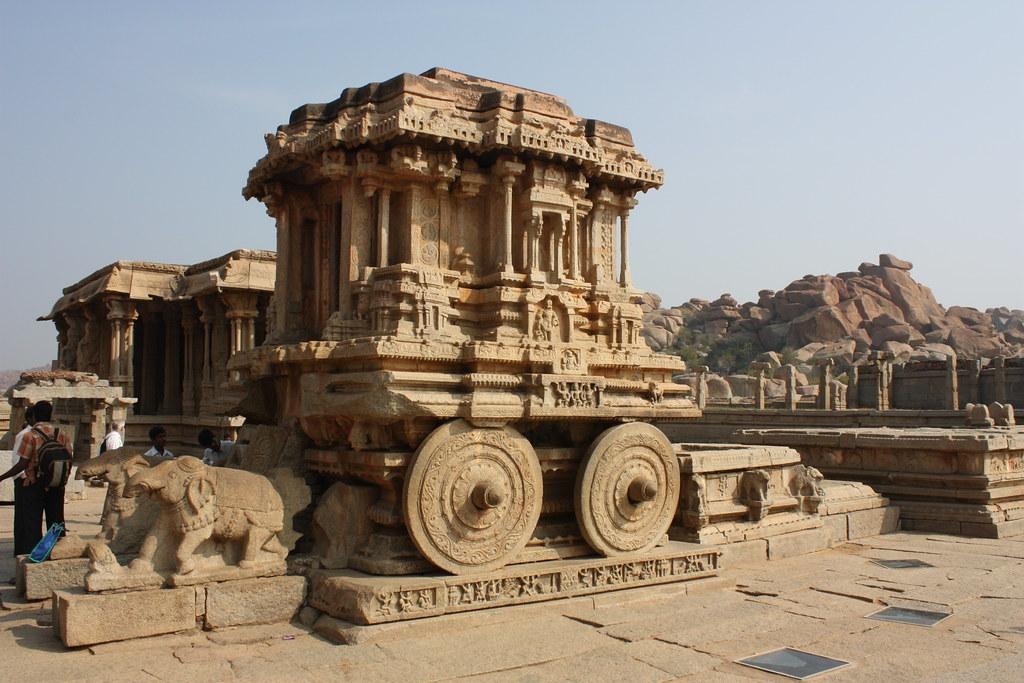
Then there’s Hampi, a place that looks like nature and history sat down together and decided to create art. Cycling across ancient ruins, exploring boulder fields, watching sunsets from hilltops, and chilling in lakeside cafés—you can spend days here without spending much.
If you want calm, clean streets and seaside charm, Pondicherry gives you beautiful French lanes, budget cafes, and serene beaches. Rent a scooter, roam aimlessly, eat poha or crepes for breakfast, and feel the slow life.
For raw Indian culture, Varanasi is unbeatable. Ghats, temples, street food, budget guesthouses, boat rides, early-morning chaos—it’s overwhelming and unforgettable. And surprisingly, one of the cheapest cities for travellers.

(Image Reference goes to www.incredibleindia.gov.in)
If hills call you, skip the overpriced tourist traps and go for Sikkim and Darjeeling. Fresh air, friendly locals, tea gardens, monasteries, and gorgeous mountain views—all without the typical tourist premium.
Goa, but only in the off-season (June–Sept). Hostels for ₹400, monsoon clouds over empty beaches, cheap scooty rentals, and peaceful mornings—it’s a completely different, budget-friendly Goa. Along the way, India silently offers something beautiful: experiences that cost nothing or almost nothing.
You don’t have to pay to witness the Ganga Aarti, to sit on a beach during sunset, to walk through heritage lanes, to wander in a local market, or to hike through hills. Some of India’s best memories are free. And even the paid ones—cycling rentals, boat rides, scooter rentals, and cultural shows—barely touch your budget. That’s the real charm of travelling India on a shoestring
Daily Budget Expectations (Real, Practical, No Sugarcoating)
- Even today, India surprises travellers with how affordable it can be:
- Super-Budget: ₹700–₹1000/day
You stay in hostels (₹300–₹500), eat local (₹150–₹250), and use shared transport (₹100–₹150). Add small extras and you still stay under ₹1000. - Comfort-Budget: ₹1200–₹1800/day
A slightly better room, nice meals, metro/bus/taxi mix, and occasional activities—still incredibly affordable.
Safety While Travelling Cheap—Smart but Simple
Budget travel doesn’t mean taking risks. A few common-sense rules go a long way:
- Don’t take food from strangers on transport.
- Avoid deserted areas late at night.
- Keep money in different pockets/bags.
- Trust your instincts—if something feels off, step back.
- Use app-based rides at night—they’re safer and still affordable.
- Keep digital and physical copies of important documents.
Note – India is safe, but like anywhere in the world, awareness is your strongest protection.
Final Thoughts: Budget Travel India Isn’t About Cutting Costs—it’s About Expanding Experiences
When you pick hostels over hotels, trains over taxis, dhabas over fancy cafés, and conversations over packed itineraries-you discover an India most travellers never see. Slow down. Walk more. Observe more. Talk more. India rewards travellers who travel with openness, patience, and curiosity. This is how you truly experience India on a shoestring budget—by spending less but living more. For more detailed info about the travel click here.