Vietnamese cuisine is one of the most vibrant and diverse in Southeast Asia. With its harmonious mix of fresh herbs, Savory sauces, rich broths, and balanced textures, it offers a mouthwatering journey into Vietnamese culture and daily life. Here we explore the top 5 must-try local dishes in Vietnam, each with a story to tell, and detailed recipes so you can recreate their magic at home.

- Pho (Vietnamese Noodle Soup)
Origin : Northern Vietnam, especially Hanoi
Taste Profile: Aromatic, umami-rich, warming
Pho is not just a dish—it’s a way of life in Vietnam. Eaten for breakfast, lunch, or dinner, this comforting noodle soup is crafted with care, using a clear broth simmered for hours with beef bones or chicken, charred onions, and warming spices like star anise and cinnamon.
What Makes Pho Special?
- The broth is the soul of Pho—it’s slow-cooked to extract maximum flavour.
- It’s served with a variety of fresh herbs like Thai basil, cilantro, and spring onions.
- Typically garnished with bean sprouts, lime wedges, chili, and hoisin or sriracha sauce.
- Bánh Mi (Vietnamese Baguette Sandwich)
Origin: Introduced by French colonialists, adapted by Vietnamese people
Taste Profile: Crunchy, Savory, slightly tangy with a hint of spice.
Bánh Mi is Vietnam’s most popular street food, and for good reason. It marries the crunchy texture of a French baguette with flavourful Vietnamese fillings—grilled meats, pâté, pickled vegetables, and spicy sauces.
Why Bánh Mi Stands Out:
- Combines French techniques with local ingredients.
- Every region in Vietnam has its own version of bánh mi.
- Incredibly customizable and perfect for quick meals.
- Gỏi Cuốn (Vietnamese Fresh Spring Rolls)
Origin: Southern Vietnam
Taste Profile: Light, fresh, herbal, slightly sweet and nutty with dipping sauce
Gỏi Cuốn, or Vietnamese fresh spring rolls, are a healthy and colourful appetizer often found at family gatherings or street food stalls. These rolls are wrapped in translucent rice paper and are served cold with a rich peanut or hoisin dipping sauce.
Why You’ll Love It:
- Healthy, gluten-free, and refreshing
- Easy to prepare and visually appealing
- A fun DIY dish for gatherings
- Bún Chả (Grilled Pork with Vermicelli Noodles)
Origin: Hanoi
Taste Profile: Smoky, sweet, tangy, fresh
Bún Chả is a Northern Vietnamese delicacy, famously enjoyed by Barack Obama and Anthony Bourdain in Hanoi. It features smoky grilled pork, soft rice noodles, and fresh herbs served with a tangy fish sauce-based broth.
What Makes It Unique:
- Smoky, caramelized grilled pork
- Served with pickled vegetables and a dipping broth
- Combines Savory and sweet in perfect harmony
- Cà Phê Trứng (Vietnamese Egg Coffee)
Origin: Hanoi (invented in the 1940s by bartender Nguyen Van Giang)
Taste Profile: Creamy, sweet, custard-like, rich coffee
Cà Phê Trứng, or Egg Coffee, may sound unusual, but one sip will convert you. It’s a luxurious blend of whipped egg yolk, sweetened condensed milk, and strong Vietnamese coffee. Think of it as a Vietnamese tiramisu in a cup.
What Makes It Special:
- Invented due to milk shortages in the 1940s
- Velvety foam adds a unique richness to coffee
- Served hot or cold—both are equally delicious
Final Thoughts
Vietnamese cuisine is a celebration of contrasts—hot and cool, fresh and fermented, soft and crunchy. These five dishes—Phở, Bánh Mì, Gỏi Cuốn, Bún Chả, and Cà Phê Trứng—are just a starting point in a culinary journey through Vietnam. Each one reflects the country’s geography, cultural history, and a deep respect for natural Flavors.
💬 Which dish are you excited to try first? Share your cooking photos or Vietnam food memories in the comments!
📌 Don’t forget to bookmark this page and follow us for more travel-inspired recipes.
Singaporean Cuisines are food lover’s paradise, boasting a rich tapestry of flavors influenced by Chinese, Malay, Indian, and Peranakan cultures. . In this blog, we explore the Best 5 Singaporean cuisines, each with a story to tell, and famous singapore dish so you can recreate their magic at home.

- Hainanese Chicken Rice- Famous Singapore Dish
What’s so special about this Dish?
- It’s considered Singapore’s national dish.
- Simple, clean flavors that are comforting.
- Served with fragrant rice, juicy chicken, and spicy dipping sauce.
Places where you can actually try the authentic Taste in Singapore :
- Tian Tian Chicken Rice (Maxwell Food Centre)
- Boon Tong Kee (Balestier Road)
- Laksa – One of the best Singaporean Cuisines
What is so special about this dish?
- Spicy noodle soup with coconut and seafood.
- Popular in Peranakan and Malay cuisine.
- Creamy, spicy, and very satisfying.
Places where you can try the authetic Laksa:
- 328 Katong Laksa
- Sungei Road Laksa
- Satay- One of the Famous Singapore Dish
What is soo special about it?
- Juicy meat grilled on sticks.
- Served with peanut sauce.
- Great as a snack or full meal.
Where to Try It:
- Lau Pa Sat Satay Street
- Chomp Chomp Food Centre
- Char Kway Teow
Why It’s Loved:
- Stir-fried noodles with sausage, egg, and more.
- Rich, smoky flavor from the wok (“wok hei”).
- Cheap and filling.
Where to Try It:
- Outram Park Fried Kway Teow Mee
- Hill Street Char Kway Teow
Where to Try It:
- Jumbo Seafood (East Coast)
- No Signboard Seafood
CONCLUSION: Taste Singapore from Your Kitchen!
Singapore is more than just a travel destination – it’s a food journey. With just a few ingredients and a bit of effort, you can enjoy the amazing flavors of this country right in your own kitchen. Whether it’s the comfort of Hainanese Chicken Rice or the bold kick of Chilli Crab, these recipes are perfect for beginners and home cooks.
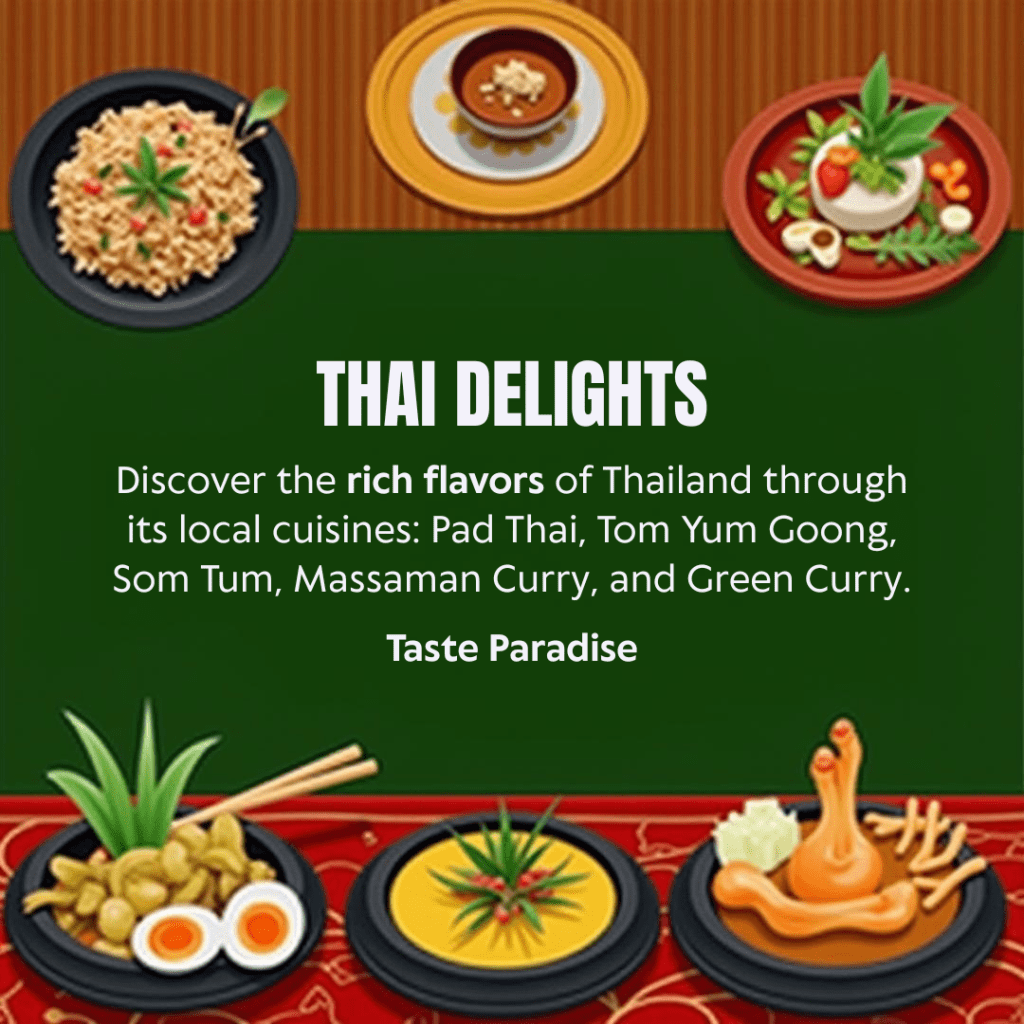
Thailand is a paradise for food lovers. Its cuisine represents a perfect harmony of spicy, sweet, salty, and sour flavors, crafted with fresh herbs, bold spices, and culinary tradition. Whether you’re planning a trip to Thailand or simply want to bring authentic Thai flavors into your home kitchen, here are five essential local Thai dishes.
- Pad Thai (Stir-Fried Rice Noodles)
Why It’s Famous
Pad Thai is Thailand’s most iconic street food dish, recognized worldwide. Created as part of a nationalist campaign in the 1930s to reduce rice consumption, it has evolved into Thailand’s most beloved culinary ambassador. The dish perfectly balances sweet, sour, and savory flavors with wonderful textures.
- Tom Yum Goong (Spicy Shrimp Soup)
Why It’s Famous
Tom Yum Goong exemplifies the complex flavor profile that Thai cuisine is famous for. This hot and sour soup combines fragrant herbs and bold spices to create a revitalizing broth that’s simultaneously invigorating and comforting. It’s considered a remedy for colds and a staple in Thai households.
- Som Tum (Green Papaya Salad)
Why It’s Famous
Som Tum originated in Northeastern Thailand (Isaan region) but has become beloved nationwide. This refreshing salad balances all the core Thai flavors—spicy, sour, sweet, and salty—in one vibrant dish. It’s particularly popular during hot weather for its cooling yet invigorating qualities.
- Khao Pad (Thai Fried Rice)
Why It’s Famous
Khao Pad is Thailand’s ultimate comfort food—simple, satisfying, and endlessly adaptable. Unlike Chinese fried rice, Thai fried rice emphasizes fresh, aromatic herbs and fish sauce for a distinctive flavor profile that’s lighter and more fragrant. It’s a staple in Thai households for using leftover rice and ingredients.
- Massaman Curry (Southern Thai Curry)
Why It’s Famous
Massaman curry stands apart from other Thai curries with its unique blend of Persian, Indian, and Malay influences. Its rich, complex flavor profile features warm spices rarely found in other Thai dishes. Once served in the royal courts, this curry has been named the “King of Curries” and even topped CNN’s list of the world’s most delicious foods.
Essential Thai Ingredients for Your Pantry
To cook authentic Thai cuisine at home, stock these essential ingredients:
- Fish sauce (Nam pla): The foundation of Thai cooking, adding umami depth
- Coconut milk: Used in curries and desserts
- Palm sugar: A less refined sugar with caramel notes
- Tamarind paste: Provides the sour element in many dishes
- Lemongrass: Citrusy herb essential in soups and curries
- Kaffir lime leaves: Intensely aromatic citrus leaves
- Galangal: Related to ginger but with a distinct citrusy, piney flavor
- Thai bird’s eye chilies: Small but intensely spicy
- Holy basil and Thai basil: Aromatic herbs with distinctive flavors
- Jasmine rice: Fragrant long-grain rice that accompanies most Thai meals
Hong Kong, cosmopolitan city of East meets West, is food heaven. Above its international dining, the city has a varied and rich legacy of local Cantonese food that provides a fresh and tasty experience for all. If you’re interested in gaining a real appreciation of Hong Kong’s food, then moving past the tourist establishments and discovering the local restaurants is essential. To start you off, here are five must-try Hong Kong local cuisines, along with easy-to-follow recipes that you can attempt at home.
- Dim Sum: A Culinary Institution
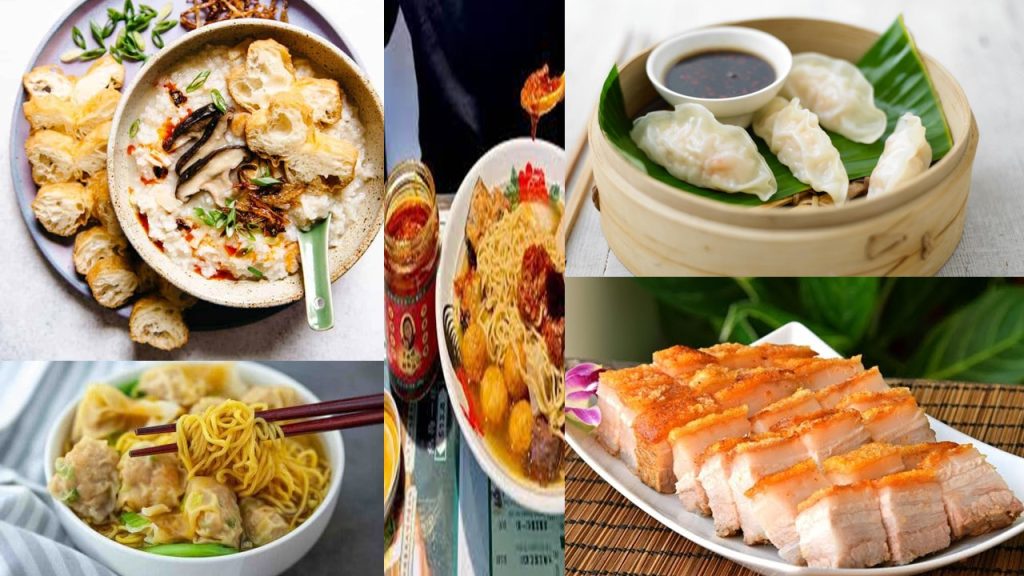
Dim sum, or “touch the heart,” is not just a meal; it’s an experience. Usually served for brunch, it consists of numerous small, savory, and sweet dishes served in bamboo steamers or on tiny plates. Delicate dumplings to full-flavored buns, dim sum presents an infinite number of tastes and textures.
Must-Try Dishes:
Har Gow (Steamed Shrimp Dumplings) :- Delicate wrappers filled with luscious shrimp.
Siu Mai (Steamed Pork and Shrimp Dumplings) :- Savory filling open-top dumplings.
Char Siu Bao (Barbecue Pork Buns) :- Steamed fluffy buns filled with sweet and savory barbecued pork.
Cheung Fun (Rice Noodle Rolls) :- Smooth rice noodle rolls made of various fillings such as shrimp, beef, or char siu.
Lo Mai Gai (Steamed Lotus Leaf Wrap) :- Glutinous rice filled with chicken, mushrooms, and other savory foods wrapped in scented lotus leaf.
Simplified Har Gow Recipe (Approximately 12 pieces) :-
Ingredients:
150g peeled, deveined, coarsely chopped fresh shrimp
30g finely diced bamboo shoots
1 tsp tapioca starch
1 tsp sesame oil
½ tsp salt
¼ tsp white pepper
60g wheat starch
20g tapioca starch (added to dough)
80ml boiling water
Little oil for brushing
Instructions :
Prepare the filling :- Mix chopped shrimp, bamboo shoots, 1 tbsp tapioca starch, sesame oil, salt, and white pepper in a bowl. Mix well and put aside.- Prepare the dough :- Mix wheat starch and 20g tapioca starch in another bowl. Add the boiling water gradually while stirring vigorously with a chopstick or spoon until a shaggy dough is formed.
3. Knead the dough with your hands until smooth and elastic. If too sticky, add a bit more tapioca starch.
4. Cut the dough into approximately 12 portions. Cover them to keep them from drying out.
5. Roll out one portion of dough into a thin circle (about 3-4 inches in diameter).
Fill the center of the circle with a spoonful of the shrimp filling.
7. Pleat and fold the dough edges into a crescent shape with a small opening in the center.
8. Lightly oil a steamer basket and set the har gow in it.
9. Steam for 8-10 minutes over boiling water, or until the wrappers are translucent and the shrimp is done.
10. Serve hot with your preferred chili oil or soy sauce.
- Roast Meats (Siu Mei): A Crispy Delight
Stroll through any Hong Kong neighborhood, and you’ll likely find shops with shiny rows of roast meats dangling in their windows. These “siu mei” are a Cantonese culinary staple, renowned for their crackly skin and juicy, full-flavored meat.
Must-Try Dishes:
Char Siu (Barbecue Pork):- Pork marinated and roasted to sweet and savory perfection with a hint of charring on the outside.
Siu Yuk (Roast Pork Belly) :- Pork belly with a crispy skin, topped with many layers of soft meat.
Roast Goose: Goose roasted until the skin becomes extremely crispy and the meat tender.
Soy Sauce Chicken :- Chicken marinated in soy sauce and fragrant spices, served as a juicy and flavorful dish.
Simplified Char Siu Recipe (Oven Method):
Ingredients:
500g pork shoulder or butt, sliced into long strips
2 tbsp hoisin sauce
1 tbsp soy sauce
1 tbsp honey
1 tsp five-spice powder
1 tsp minced garlic
½ tsp red food coloring (optional, for true color)
Instructions:
- In a bowl, whisk hoisin sauce, soy sauce, honey, five-spice powder, minced garlic, and red food coloring (if using) together to form the marinade.
- Place the pork strips in a resealable plastic bag or a shallow dish. Pour the marinade over the pork, ensuring it’s fully coated. Marinate in the refrigerator for at least 4 hours, or preferably overnight.
- Preheat your oven to 200°C (400°F).
- Place a wire rack over a baking sheet. Arrange the marinated pork strips on the wire rack (this allows for better air circulation and crispier edges).
- Bake for 20 minutes.
- Take out of the oven and brush the pork with any excess marinade.
- Turn the pork over and roast for a further 15-20 minutes, or until it reaches an internal temperature of 70°C (160°F) and the pork is well caramelized.
- Rest the char siu for a few minutes before slicing and serving with rice or noodles.
- Congee (Jook): Comfort in a Bowl
Congee, or “jook” in Cantonese, is a rice porridge that is widely popular in many Asian nations, including Hong Kong. It is prepared by boiling rice in lots of liquid (water or broth) for hours until it dissolves and forms a thick, creamy porridge. Congee is extremely versatile and can be had plain or topped with all sorts of savory ingredients.
Must-Try Variations:
Pork and Preserved Egg Congee (Pai Daan Jook) :- A traditional duo with soft pork and salty, creamy preserved duck eggs.
Fish Congee (Yu Jook) :- Flakey fish fillets simmered in the silky congee.
Chicken Congee (Gai Jook) :- Shredded chicken provides protein and taste to the comforting congee.
Century Egg and Salted Pork Congee :- Another favorite savory dish.
Simplified Plain Congee Recipe:
Ingredients:
1 cup white rice, rinsed
8 cups water or chicken broth
A pinch of salt
Instructions:
In a big pot, mix the washed rice and water or broth together.
Place the mixture over high heat and bring it to a boil. When boiling, reduce the heat to low, cover the pot, and let it simmer for at least 1.5 to 2 hours, stirring occasionally to avoid sticking. The rice should dissolve fully and the mixture should be thick and creamy.
Add a pinch of salt to taste.
Serve plain or topped with your choice of toppings, e.g., sliced scallions, fried shallots, preserved vegetables, or a drizzle of soy sauce. For a congee of pork and preserved egg, introduce diced cooked pork and minced preserved egg towards the end of the cooking time, i.e., the last 15-20 minutes.
- Wonton Noodles: A Hong Kong Classic
Wonton noodles is a classic Hong Kong dish with delicate, springy egg noodles in a rich broth accompanied by dainty shrimp and pork wontons. Leafy greens are frequently added as a garnish, making for a soothing and satisfying dish available in scores of noodle houses throughout the city.
Key Elements:
Wontons :- Wontons are dumplings containing a blend of shrimp and ground pork that are seasoned with ginger, garlic, and soy sauce.
Egg Noodles :- Very thin and lightly chewy noodles with a bright yellow color because eggs are used.
Broth :- Clear broth, usually with dried flounder, pork bones, or shrimp shells.
Simplified Wonton Recipe (for the wontons):
Ingredients:
150g ground pork
150g peeled, deveined, and chopped shrimp
1 tbsp soy sauce
1 tsp sesame oil
½ tsp grated ginger
¼ tsp white pepper
About 30 wonton wrappers
Instructions
- In a bowl, mix ground pork, minced shrimp, soy sauce, sesame oil, grated ginger, and white pepper. Mix until the mixture is slightly sticky.
- Lay a wonton wrapper on a clean surface. Place a small spoonful of the filling in the middle of the wrapper.
- Moist the wrapper edges with a small amount of water. Fold the wrapper in half1 diagonally to create a triangle, pressing the edges to seal. You can then overlap the two bottom corners of the triangle and bring them together, pressing to close. There are some different ways of folding wontons, so don’t be afraid to try different methods.
japanesefoodsecrete.exblog.jp
japanesefoodsecrete.exblog.jp
- Do the same with the rest of the filling and wrappers.
- Boil the wontons in water for 3-5 minutes, or until they float to the surface and are fully cooked.
- Serve in an aromatic broth with cooked egg noodles and garnishes of your choice.
- Cart Noodles (Che Zai Mian): Comfort at Your Command
Cart noodles, or “che zai mian,” which literally translate to “street cart noodles,” are one of the favorite Hong Kong street foods. Cart noodles are best about the ability to customize. You pick your favorite type of noodles, soup, and great range of toppings, from fish balls and cuttlefish balls to braised meats and vegetables.
How it Works:
Choose Your Noodles: Typically, choices range from egg noodles, rice noodles, flat rice noodles (ho fun), to vermicelli.
Select Your Broth: Choices range from clear broth, soy sauce broth, or curry broth.
Pick Your Toppings: Options are limitless, with favorites ranging from fish balls, beef brisket, chicken wings, pig skin, radish, to various vegetables.