Desert City to Global Tourism Powerhouse
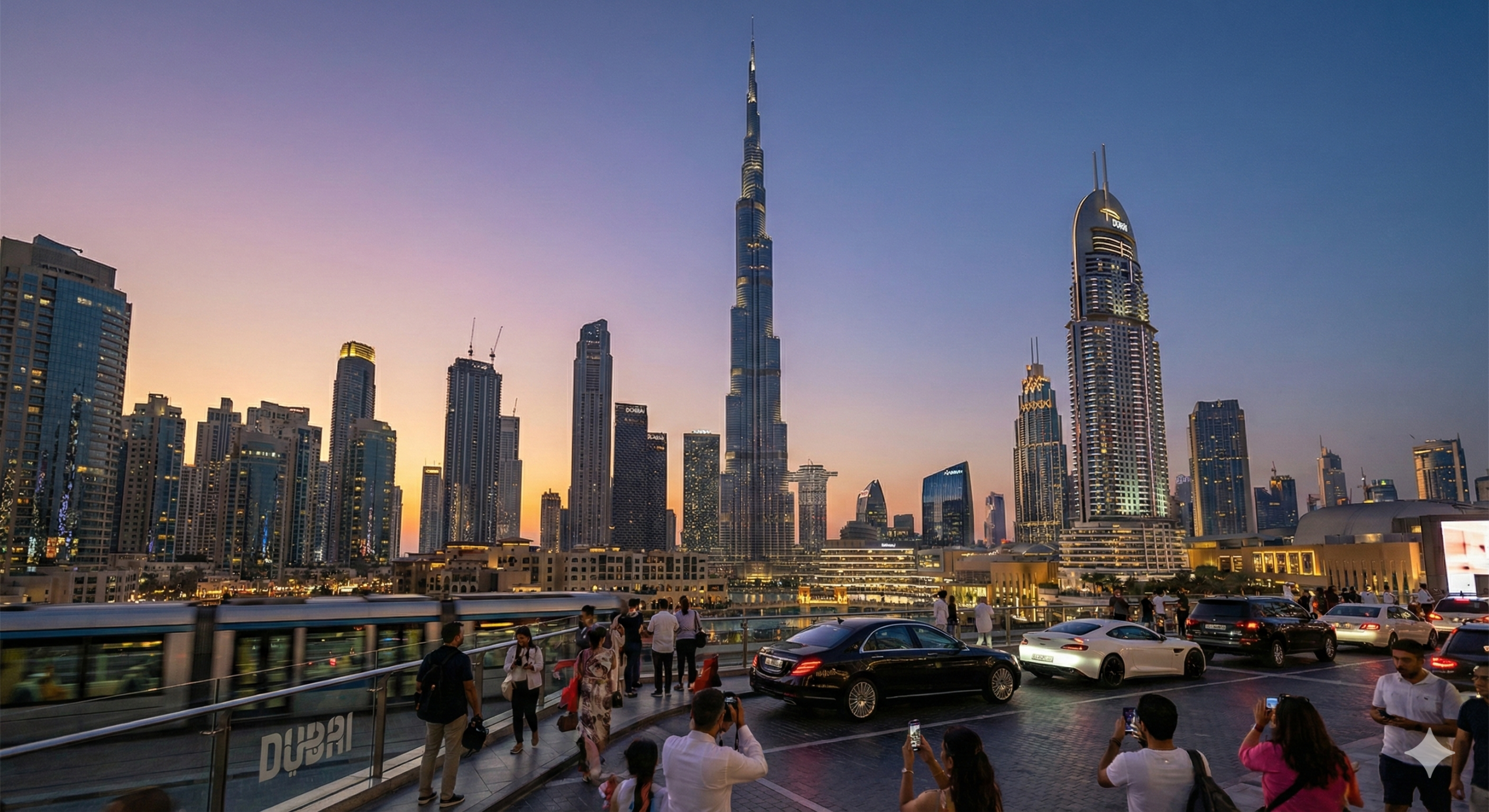
Dubai is one of the most compelling examples of how strategic destination marketing can redefine a city’s global identity. In just a few decades, Dubai has evolved from a small desert trading settlement into one of the world’s most visited and most talked-about tourism destinations. Today, it attracts millions of international visitors every year and competes with global cities such as London, Paris, Singapore, and New York.

This transformation did not happen by chance. This rise is the result of visionary leadership, long-term economic planning, iconic branding, and an aggressive global tourism marketing strategy.
Destination marketing goes beyond promoting tourist attractions. It markets an entire lifestyle and experience. It does not sell monuments alone; it sells aspiration, comfort, innovation, and global connectivity.
Unlike heritage-driven destinations that rely heavily on history, UAE adopted a future-focused branding philosophy. Its tourism strategy revolves around four core ideas:
- Global accessibility
- Premium experiences
- Visual storytelling
- Consistent brand positioning
This approach allowed UAE to create a strong emotional connection with travelers worldwide.
Visionary Leadership and Long-Term Economic Strategy
The foundation of UAEs tourism success lies in visionary leadership. Early leaders understood that oil resources were limited and could not sustain long-term economic growth. Instead of depending on oil, UAE invested in tourism, aviation, trade, and real estate as future growth drivers.
Strategic Diversification
In the 1980s and 1990s, City began channeling oil revenues into infrastructure and global connectivity. One of the most impactful decisions was the launch of Emirates Airline in 1985. This was not just an aviation move it was a tourism branding strategy. Emirates connected Dubai directly to global cities, making it accessible and desirable for international travelers.
This long-term planning positioned it as a global hub well before tourism demand reached its peak.
Infrastructure Development: Building the Foundation for Tourism
A key pillar of the Dubai tourism marketing strategy is world-class infrastructure. Country ruler understood that strong branding cannot succeed without seamless visitor experience.
Major Infrastructure Investments
- Dubai International Airport (one of the world’s busiest airports)
- Emirates Airlines and global aviation connectivity
- Modern highways and Dubai Metro
- Luxury hotels and integrated resorts
Real Impact
Tourists experience minimal friction—from visa processes to transportation—making this an easy and comfortable destination to visit. Infrastructure supports marketing promises, which strengthens brand trust.
Iconic Landmarks as Global Brand Assets
The deliberately created iconic structures to function as marketing tools. These landmarks are not just attractions; they are visual brand symbols.
Real Examples
- Burj Khalifa: Marketed as the world’s tallest building, it instantly placed Dubai on the global map.
- Burj Al Arab: Positioned as a symbol of ultra-luxury hospitality.
- Palm Jumeirah: A man-made island showcasing Dubai’s ambition and engineering excellence.
Burj Khalifa: Dubai’s Global Identity Symbol
Burj Khalifa, the world’s tallest building, is city’s most powerful global brand symbol. More than an architectural achievement, it functions as a key asset in destination marketing , instantly making the city recognizable worldwide. Frequently featured in global media, films, and tourism campaigns, Burj Khalifa represents city’s ambition, innovation, and future-focused vision.
Burj Al Arab: The Face of Luxury Tourism in Dubai
Burj Al Arab is globally associated with Luxury Tourism Dubai and symbolizes ultra-premium hospitality.
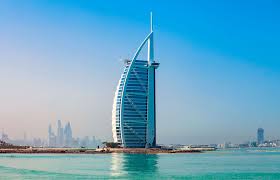
Designed to resemble a sail, it became one of the world’s most photographed hotels and a consistent feature in tourism promotion campaigns. Burj Al Arab elevated luxury brand positioning, helping the city stand out as a destination where exclusivity, design, and world-class service define the tourism experience.
Palm Jumeirah (Palm Beach): A Luxury Brand Asset for Dubai Tourism
Palm Jumeirah, often called Palm Beach by visitors, is one of the most iconic tourism developments and a powerful destination branding asset. Designed in the shape of a palm tree and visible from space, it symbolises it’s ambition, innovation, and luxury-driven vision.
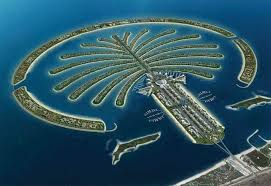
Palm Jumeirah plays a key role in Luxury Tourism, hosting world-class resorts such as Atlantis The Palm and Atlantis The Royal, along with private beaches, premium residences, beach clubs, and yacht marinas. These experiences attract high-end global travellers and strengthen Dubai’s premium brand image.
From a marketing perspective, Palm Jumeirah is a highly effective visual branding tool, frequently featured in this tourism promotion campaigns, airline advertisements, and influencer content. It successfully combines beach tourism with urban luxury, supporting destination marketing city by offering a unique, globally recognisable experience.
Marketing Insight
These landmarks appear consistently in advertisements, films, social media, and travel content. They reinforce Dubai’s brand values: scale, ambition, and innovation.
Branding of Dubai as a Tourist Destination
The branding of city as a tourist destination is built on contrast:
- Desert and skyscrapers
- Tradition and innovation
- Luxury and accessibility
Dubai’s messaging is consistent across markets and platforms. The city is positioned as:
- Safe and clean
- Modern yet culturally rich
- Premium but welcoming
This consistency has resulted in strong global brand recall.
Dubai Tourism Marketing Strategy: Experience Over Location
A defining feature of the Dubai tourism marketing strategy is its focus on experiences rather than places.
Experience-Driven Positioning
Dubai promotes:
- Luxury shopping experiences
- Desert safaris with premium hospitality
- World-class dining and nightlife
- Family-friendly attractions
- Business and MICE tourism
Each campaign answers one core question: What will the visitor feel and experience in Dubai?
Dubai Tourism Promotion Campaigns: Global and Cinematic
“Dubai Presents” Campaigns are among the most visually striking in the world.
This campaign used cinematic storytelling and global celebrities to present Dubai as a destination for:
- Luxury travelers
- Families
- Adventure seekers
- Business professionals
The campaigns were distributed across:
- Television
- YouTube
- Travel and OTT platforms
Luxury Tourism Dubai: A Core Brand Pillar
Luxury is not a segment in city—it is a brand identity.
How Dubai Redefined Luxury Tourism
- Ultra-luxury hotels and private suites
- Premium shopping destinations like Dubai Mall
- Fine dining with global chefs
- Yacht tourism, private desert experiences, helicopter tours
Brand Impact
Luxury tourism Dubai creates a halo effect. Even budget travelers perceive Dubai as premium, which elevates the city’s overall brand value.
Event-Based Tourism Dubai: Creating Year-Round Demand
UAE ensures continuous tourist inflow through event-based tourism.
- Expo 2020 Dubai: A global mega-event that attracted millions of international visitors and media attention.
- Dubai Shopping Festival: Drives seasonal tourism and retail spending.
- International sports events: Tennis championships, golf tournaments, motorsports, and cricket events.
Marketing Insight – Events act as demand generators, encouraging repeat visits and extending average tourist stay.
Digital-First and Influencer-Driven Marketing
UAE adopted digital tourism marketing earlier than many destinations.
- Collaborations with global travel influencers
- High-quality short-form video content
- User-generated content promoted through official tourism channels
- Smart tourism apps and digital city guides
Social media plays a crucial role in shaping it’s global image, particularly among younger travelers.
Business-Friendly Policies Supporting Tourism Growth
This tourism success is strongly supported by policy.
Key Policy Advantages
- Easy visa-on-arrival for many countries
- Tax-free income environment
- Safety, cleanliness, and strong law enforcement
- Business-friendly free zones
These factors increase tourist confidence and encourage long-term stays.
Cultural Preservation and Authentic Experiences
Despite rapid modernization, it preserved its cultural identity.
- Al Fahidi Historical District
- Traditional souks and heritage villages
- Emirati cuisine and cultural festivals
This balance allows city to attract tourists seeking authenticity alongside modern comfort.
Global Positioning and Competitive Advantage
UAE positioned itself not as a regional destination but as a global city.
Competitive Strengths
- Strategic geographic location
- World-class infrastructure
- Multicultural environment
- Strong safety perception
Through destination marketing , the city competes with the world’s leading urban destinations.
UAE Tourism Market Size
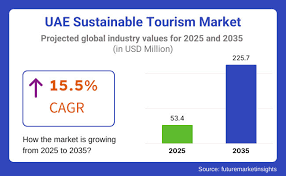
The UAE’s sustainable tourism sector is rapidly evolving from a niche concept into a significant force within the global tourism market.
This transformation is being driven by strong government initiatives, the growing influence of eco-conscious travelers, and the adoption of advanced technologies.
This info credit goes to futuremarketinsight.
Conclusion: Dubai as a Masterclass in Tourism Marketing
Dubai’s journey from desert to global tourism icon demonstrates the power of strategic marketing, long-term vision, and consistent branding. Its success proves that destination branding, when executed with ambition and precision, can reshape global perception. This UAE tourism marketing strategy stands as a benchmark for cities and countries aiming to build a strong tourism brand in the global marketplace.