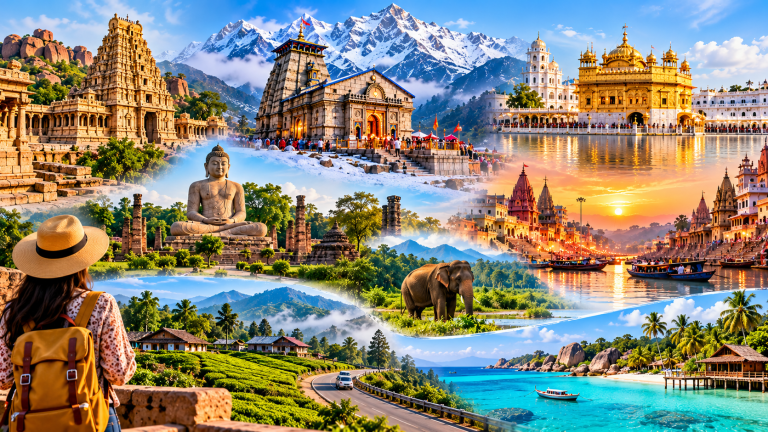
India’s beauty is not limited to famous cities, hill stations, and crowded tourist attractions. Beyond the popular travel destinations lies another India—one of peaceful villages, traditional homes, green fields, mountain landscapes, ancient crafts, and communities that continue to preserve their cultural heritage.
For travellers looking to escape busy itineraries, slow and rural tourism in India offers a meaningful alternative. Imagine waking up in a Himalayan homestay, walking through rice fields in Arunachal Pradesh, watching artisans weave traditional textiles, or enjoying a sunset over Rajasthan’s desert villages.
Village tourism is about experiencing destinations at a relaxed pace, connecting with local communities, enjoying regional food, and discovering traditions that are often overlooked by mainstream tourism.
Here are 12 of the most beautiful villages in India for slow and rural tourism, ideal for peaceful holidays, cultural exploration, nature experiences, and responsible travel.
What Is Slow and Rural Tourism?
Slow tourism focuses on spending more time in fewer destinations instead of travelling through multiple places in a short period. Rural tourism takes this experience into villages, where visitors can explore local lifestyles, landscapes, agriculture, traditional crafts, and community culture.
India’s rural tourism potential is enormous. The Ministry of Tourism promotes rural tourism as a way to showcase village life, art, culture, and heritage while creating economic and social benefits for local communities.pib.gov+1
For travellers, this means choosing homestays, local guides, village walks, regional cuisine, and authentic experiences over conventional sightseeing. The government’s rural tourism initiatives also emphasise sustainability, community participation, and the preservation of local traditions.india.gov+1
1. Mawlynnong, Meghalaya – A Beautiful Village Surrounded by Greenery
Located in the East Khasi Hills of Meghalaya, Mawlynnong is among India’s most celebrated village tourism destinations. Often associated with the title of Asia’s cleanest village, it is known for clean pathways, bamboo structures, flowering gardens, and community-driven cleanliness practices.incredibleindia.gov
The village offers a peaceful atmosphere surrounded by greenery and beautiful Khasi landscapes. It is especially appealing to travellers interested in eco-tourism, community participation, and quiet nature holidays.
Things to experience
- Walk through the village’s neat lanes and gardens.
- Visit the nearby Nohwet Living Root Bridge.
- Explore traditional Khasi architecture.
- Enjoy local Khasi food.
- Stay in a village homestay and experience community life.
Best time to visit: October to April.
Mawlynnong is ideal for travellers seeking eco-tourism, slow travel, and a peaceful rural break in Northeast India.incredibleindia.gov
2. Ziro, Arunachal Pradesh – A Valley of Rice Fields and Apatani Culture
Ziro is one of the most enchanting destinations in Northeast India. Surrounded by pine-covered hills and expansive rice fields, the valley is home to the Apatani community, known for its distinctive cultural traditions and sustainable farming practices.incredibleindia.gov
The Apatani people follow a remarkable terrace-based paddy-cum-pisciculture system, using natural water channels to cultivate rice and fish together. This eco-friendly agricultural tradition is one of the reasons Ziro stands out as a rural tourism destination.incredibleindia.gov
Things to experience
- Walk through Apatani villages such as Hong and Hari.
- Explore rice fields and pine forests.
- Learn about traditional farming practices.
- Try local food and stay in homestays.
- Attend the Ziro Festival if your travel dates coincide.
The annual Ziro Festival is a four-day celebration hosted by the indigenous Apatani community, featuring independent music, traditional food, handicrafts, and cultural experiences.utsav.gov
Best time to visit: March to May and September to November, with the Ziro Music Festival generally held in September.incredibleindia.gov
Ziro is particularly suitable for travellers who enjoy cultural tourism, photography, nature walks, and relaxed itineraries.
3. Khonoma, Nagaland – India’s First Green Village
Khonoma, near Kohima in Nagaland, is widely recognised as India’s first green village. It combines spectacular mountain scenery with a strong tradition of community conservation and Angami Naga cultural resilience.incredibleindia.gov
The village is known for its stone dwellings, terraced paddy fields, forested hills, and the Khonoma Nature Conservation and Tragopan Sanctuary, which protects wildlife including the endangered Blyth’s tragopan.kohima.nic
Things to experience
- Explore traditional Angami village architecture.
- Walk through terraced agricultural landscapes.
- Enjoy views of forested hills.
- Learn about community-led conservation.
- Discover local food and cultural traditions with a guide.
Best time to visit: October to April.
Khonoma is an excellent destination for travellers interested in sustainable tourism, indigenous culture, and nature-based experiences.incredibleindia.gov+1
4. Kalpa, Himachal Pradesh – Apple Orchards and Himalayan Views
Kalpa is a beautiful village in the Kinnaur district of Himachal Pradesh. Located amid spectacular Himalayan scenery, it is known for apple orchards, traditional wooden houses, peaceful surroundings, and views of the Kinner Kailash mountain range.
Unlike crowded hill stations, Kalpa offers a slower mountain holiday where travellers can enjoy village walks, local food, and spectacular sunrise views.
Things to experience
- Enjoy sunrise views of Kinner Kailash.
- Walk through apple orchards during the appropriate season.
- Explore traditional Kinnauri architecture.
- Visit nearby villages and monasteries.
- Experience local Himachali hospitality.
Best time to visit: April to June and September to October.
Kalpa is ideal for couples, photographers, nature lovers, and travellers seeking a peaceful Himalayan escape.
5. Chitkul, Himachal Pradesh – A Riverside Himalayan Hamlet
Chitkul, located in the Sangla Valley of Kinnaur, is one of the most picturesque villages in the Indian Himalayas. Traditional wooden houses, the Baspa River, mountain landscapes, and surrounding meadows create an unforgettable rural setting.
The village is especially appealing to travellers who want to slow down and enjoy the natural environment rather than rush between attractions.
Things to experience
- Walk along the Baspa River.
- Photograph traditional wooden houses.
- Explore village pathways.
- Enjoy local Himachali meals.
- Spend time observing the mountain landscape.
Best time to visit: May to October, subject to road and weather conditions.
Because Chitkul is situated at a high altitude, travellers should plan carefully, allow time for acclimatisation, and check road conditions before departure.
6. Turtuk, Ladakh – A Cultural Village in the Shyok Valley
Turtuk is one of Ladakh’s most distinctive villages, situated in the Shyok Valley near the India–Pakistan border region. Unlike the barren landscapes commonly associated with Ladakh, Turtuk features green fields, apricot orchards, stone houses, and streams.wikipedia
The village is culturally distinct, with a strong Balti heritage reflected in its architecture, food, language, and traditions. Turtuk is known as one of the few places in India where visitors can experience Balti culture closely.wikipedia
Things to experience
- Walk through stone-built village lanes.
- Visit local orchards during the fruit season.
- Taste traditional Balti cuisine.
- Explore village viewpoints.
- Stay in a locally operated homestay.
Best time to visit: May to September.
Turtuk is perfect for travellers seeking cultural discovery, mountain landscapes, and a village experience away from conventional tourist circuits.
7. Kumbalangi, Kerala – Experience Backwater Village Life
Kumbalangi, near Kochi, offers a wonderful introduction to Kerala’s rural coastal lifestyle. Surrounded by backwaters, coconut groves, mangroves, and fishing landscapes, the village is known for its community-based tourism experiences.
Visitors can observe traditional fishing practices, explore waterways, enjoy seafood, and experience the everyday life of a coastal settlement.
Things to experience
- Observe traditional fishing activities.
- Explore backwater landscapes.
- Enjoy local Kerala seafood.
- Take village walks.
- Experience community-based tourism activities.
Best time to visit: October to March.
Kumbalangi is an excellent choice for travellers who want to combine a Kerala holiday with authentic rural experiences rather than focusing only on resorts and houseboats.
8. Dhordo, Gujarat – Rural Culture on the Edge of the White Rann
Dhordo, in Gujarat’s Kutch region, is a remarkable rural destination known for traditional Kutchi architecture, colourful handicrafts, and proximity to the White Rann.
The village received international recognition when it was selected as a UN Tourism Best Tourism Village in 2023, highlighting its cultural assets, community-led tourism, and commitment to sustainability.pib.gov+1
Things to experience
- Explore traditional Kutchi bhunga houses.
- Discover local embroidery and handicrafts.
- Visit the White Rann.
- Enjoy regional Kutchi cuisine.
- Experience cultural performances during the Rann Utsav season.
Best time to visit: November to February.
Dhordo is especially suitable for travellers interested in rural heritage, desert landscapes, handicrafts, and cultural tourism.
9. Pochampally, Telangana – A Village of Traditional Ikat Weaving
Pochampally, located in Telangana, is famous for its traditional Ikat textile weaving. The village offers an opportunity to understand how craftsmanship, family-based production, and cultural heritage remain part of rural livelihoods.
Pochampally was recognised as a UN Tourism Best Tourism Village in 2021, underlining the importance of its textile heritage and community-based tourism potential.pib.gov+1
Things to experience
- Visit traditional weaving workshops.
- Observe artisans working on Ikat textiles.
- Learn about dyeing and weaving techniques.
- Purchase authentic handmade products.
- Explore the village and interact respectfully with craftspeople.
Best time to visit: October to March.
Pochampally is a rewarding destination for craft tourism, textile enthusiasts, cultural travellers, and visitors interested in supporting traditional rural livelihoods.
10. Mandawa, Rajasthan – A Heritage Village of Painted Havelis
Mandawa, situated in the Shekhawati region of Rajasthan, is famous for its richly painted havelis and historic merchant mansions. Although often described as a heritage town, it offers a distinctive rural heritage experience through its architecture, art, and traditional hospitality.
The colourful frescoes found across Mandawa tell stories of mythology, trade, family life, and changing artistic influences.
Things to experience
- Take a guided haveli walk.
- Photograph historic frescoes.
- Explore traditional architecture.
- Discover local crafts.
- Enjoy Rajasthani cuisine.
Best time to visit: October to March.
Mandawa is an excellent destination for heritage photography, architecture lovers, and travellers seeking a quieter Rajasthan experience.
11. Nako, Himachal Pradesh – A Peaceful Village in the Cold Desert
Nako is a beautiful high-altitude village in the Kinnaur region, close to the Spiti landscape. Its traditional houses, ancient monastery, mountain surroundings, and small village lake create a peaceful atmosphere.
The village offers a unique contrast to the green Himalayan destinations of northern India. Here, travellers experience a cold-desert landscape, clear skies, and a slower way of life.
Things to experience
- Visit Nako Lake.
- Explore the village monastery.
- Walk through traditional settlements.
- Photograph the surrounding mountains.
- Experience local food and village hospitality.
Best time to visit: May to September, depending on road conditions.
Nako is ideal for travellers who enjoy remote destinations, Buddhist heritage, and high-altitude landscapes.
12. Bishnoi Villages, Rajasthan – Wildlife, Traditions, and Rural Life
The Bishnoi villages around Jodhpur offer an opportunity to explore rural Rajasthan through its traditions, handicrafts, wildlife, and community values.
The Bishnoi community is widely associated with environmental protection and respect for nature. Village experiences can include visits to traditional homes, demonstrations of crafts, and opportunities to observe local wildlife with responsible local guides.
Things to experience
- Explore traditional rural homes.
- Learn about Bishnoi customs and conservation values.
- Discover local pottery and handicrafts.
- Observe wildlife with responsible local guides.
- Taste traditional Rajasthani food.
Best time to visit: October to March.
Bishnoi village experiences are especially rewarding for travellers interested in responsible tourism, community traditions, and rural Rajasthan beyond its forts and palaces.
Best Villages in India for Different Travel Experiences
| Travel interest | Recommended village |
|---|---|
| Eco-tourism | Mawlynnong, Meghalaya |
| Indigenous culture | Ziro, Arunachal Pradesh |
| Community conservation | Khonoma, Nagaland |
| Himalayan landscapes | Kalpa, Himachal Pradesh |
| Riverside village holiday | Chitkul, Himachal Pradesh |
| Cultural discovery | Turtuk, Ladakh |
| Backwater experiences | Kumbalangi, Kerala |
| Desert tourism | Dhordo, Gujarat |
| Textile and craft tourism | Pochampally, Telangana |
| Heritage architecture | Mandawa, Rajasthan |
| Buddhist village experience | Nako, Himachal Pradesh |
| Rural wildlife experiences | Bishnoi villages, Rajasthan |
How to Plan a Slow and Rural Tourism Trip in India
A village holiday is most rewarding when you travel with patience and respect for local communities.
1. Stay in local homestays
Choose family-run homestays, village guesthouses, or community-managed accommodation. These options can provide deeper cultural experiences while supporting local livelihoods. Rural homestays are also part of India’s broader rural tourism development efforts.india.gov+1
2. Travel slowly
Spend two or three nights in one village rather than trying to visit several destinations in a single day. Enjoy walking, local food, and conversations with residents.
3. Hire local guides
Local guides can explain cultural practices, village history, architecture, and agricultural traditions more meaningfully than a conventional sightseeing tour.
4. Respect local customs
Ask permission before photographing people, private homes, religious places, or ceremonies. Follow village rules and dress appropriately.
5. Support local artisans
Buy authentic handmade products directly from craftspeople whenever possible. This helps tourism income reach the people preserving traditional skills.
6. Prepare for remote travel
Some villages have limited connectivity, medical facilities, transport, or accommodation. Check road conditions, weather, permits, and travel arrangements in advance.
Frequently Asked Questions
Which is the most beautiful village in India for rural tourism?
Mawlynnong in Meghalaya, Ziro in Arunachal Pradesh, Khonoma in Nagaland, Kalpa in Himachal Pradesh, and Dhordo in Gujarat are among India’s most attractive destinations for rural tourism.incredibleindia.gov+3
Which Indian villages are best for slow travel?
Ziro, Kalpa, Chitkul, Turtuk, Nako, and Mawlynnong are excellent choices for slow travel because of their landscapes, cultural experiences, and peaceful surroundings.
Which village in India is famous for rural tourism?
Mawlynnong is widely known for community cleanliness and eco-tourism, while Pochampally and Dhordo have received international recognition through UN Tourism’s Best Tourism Villages initiative.incredibleindia.gov+1
What is the best time for village tourism in India?
October to March is suitable for many destinations in Rajasthan, Gujarat, and Kerala. Himalayan villages are generally best visited during summer and early autumn, subject to local weather and road conditions.
Is rural tourism in India suitable for families?
Yes. Many villages offer homestays, nature walks, cultural experiences, and local food suitable for families. However, remote and high-altitude destinations require additional planning.
Conclusion
India’s villages offer a beautiful alternative to conventional tourism. From the green rice fields of Ziro and the mountain landscapes of Kalpa to the traditional weaving communities of Pochampally and the desert heritage of Dhordo, every destination reveals a different side of the country.
Slow and rural tourism in India is not simply about visiting a village—it is about experiencing its people, traditions, landscapes, and everyday life.
For your next holiday, consider staying longer in one beautiful village, enjoying local food, supporting community businesses, and discovering the authentic charm of rural India.
References
- Ministry of Tourism, Government of India – Rural Tourism Scheme: https://www.pib.gov.in/newsite/PrintRelease.aspx?relid=89698pib.gov
- Ministry of Tourism, Government of India – Promotion of Rural Tourism: https://pib.gov.in/PressReleseDetailm.aspx?PRID=2036824pib.gov
- National Portal of India – Best Tourism Village Competition and Rural Tourism: https://www.india.gov.in/category/travel-tourism/subcategory/tourism-in-india/details/information-on-best-tourism-village-competition-rural-tourismindia.gov
- Incredible India – Mawlynnong Village, Meghalaya: https://www.incredibleindia.gov.in/en/meghalaya/cherrapunjee/mawlynnong-villageincredibleindia.gov
- Incredible India – Ziro Valley, Arunachal Pradesh: https://www.incredibleindia.gov.in/en/arunachal-pradesh/ziroincredibleindia.gov
- Incredible India – Khonoma Village, Nagaland: https://www.incredibleindia.gov.in/en/nagaland/kohima/khonoma-villageincredibleindia.gov
- Kohima District Administration – Khonoma Green Village: https://kohima.nic.in/places-of-interest/kohima.nic
- Utsav Portal, Government of India – Ziro Festival: https://utsav.gov.in/public/view-event/ziro-festivalutsav.gov
- Ministry of Tourism, Government of India – National Strategy for Rural Tourism: https://tourism.gov.in/sites/default/files/2022-03/usq%202540%20for%2024032022.pdf